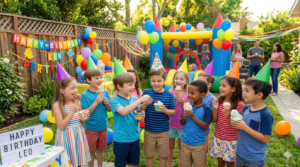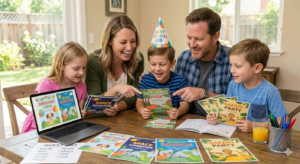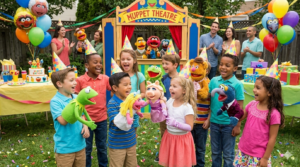
Every parent knows that the secret to a successful celebration lies in the energy of the crowd. While the cake and decorations are important, the right selection of fun birthday games is what truly transforms a simple gathering into an unforgettable event.
Finding the perfect balance of Fun Activities for Kids is essential for maintaining order while ensuring every child feels included. In this guide, we will explore various play styles, from high-energy outdoor activities to creative indoor challenges that spark imagination.
By the end of this article, you will have a comprehensive toolkit of strategies to keep your young guests engaged. We will analyze the benefits of structured play, provide a curated list of popular activities, and offer expert tips for managing different age groups effectively.
Understanding the Importance of Structured Play
Structured activities serve a much larger purpose than simply passing the time during a party. When you introduce fun birthday games, you are providing a framework that helps children navigate social interactions in a positive environment.
This organization reduces the likelihood of “party chaos” and ensures that even the shiest children have a clear way to participate. Play-based learning during celebrations also helps develop motor skills, cooperation, and healthy competition among peers.
Furthermore, well-planned activities give the party a natural rhythm. By alternating between high-energy physical games and quieter, more focused tasks, you can manage the children’s energy levels and prevent the dreaded mid-party meltdown.
Classic Fun Birthday Games That Never Fail
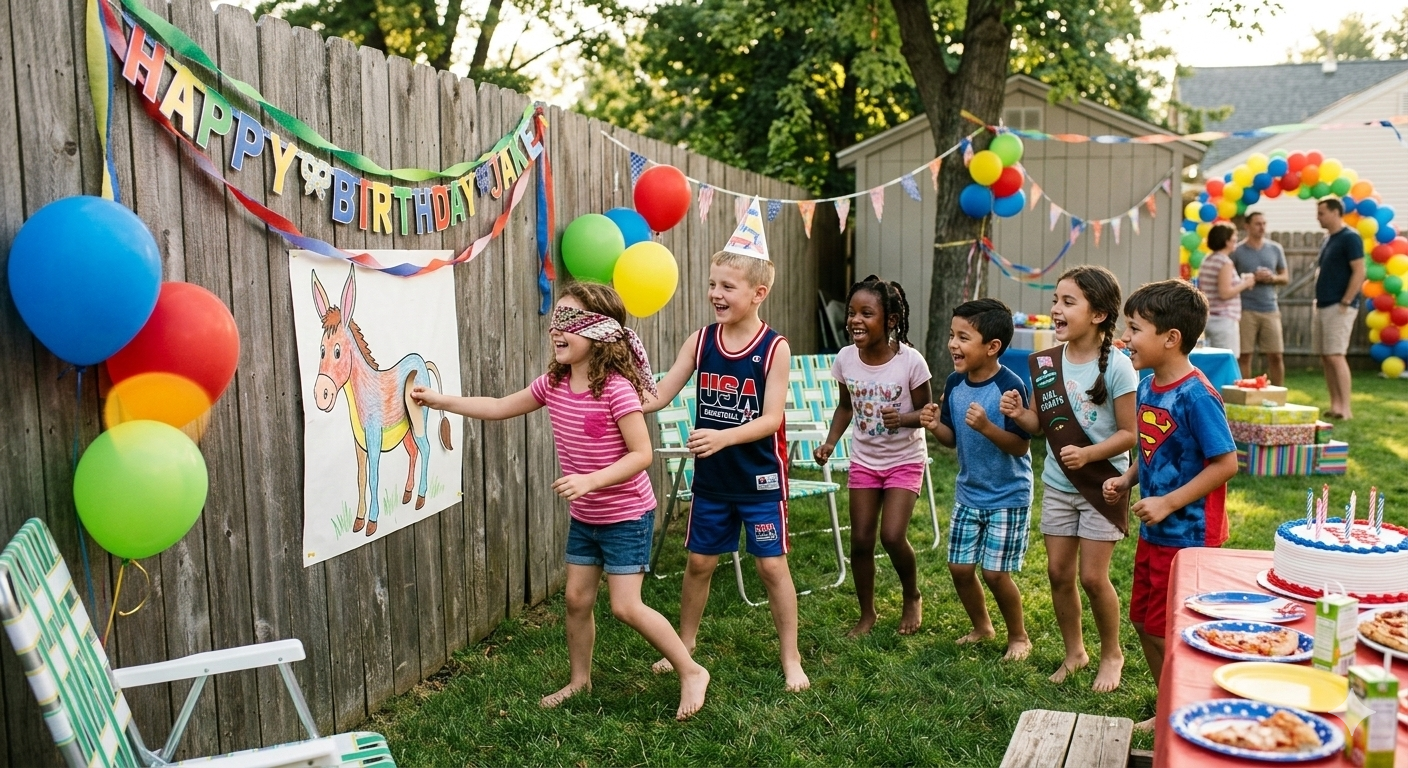
There is a reason certain activities have remained popular for generations. Classic fun birthday games like “Musical Chairs” or “Pass the Parcel” are universally understood and require very little explanation, which is vital when dealing with excited groups.
These traditional options are highly adaptable to any party theme. For example, “Pin the Tail on the Donkey” can easily become “Pin the Rocket on the Moon” for a space-themed event, keeping the core mechanics familiar while updating the visual context.
Another benefit of classic games is their accessibility. Most require minimal equipment and can be played in small living rooms or large backyards. This versatility makes them a reliable backup plan if weather conditions change or the guest list grows unexpectedly.
Interactive and Creative Games for Modern Kids
In the digital age, children often crave activities that involve a narrative or a “mission.” Modern fun birthday games often incorporate scavenger hunts or mystery-solving tasks that challenge their cognitive abilities and encourage teamwork.
You can create a “Secret Agent” training camp where children must complete various physical and mental obstacles to earn a reward. This thematic approach keeps them deeply engaged because they are not just playing a game; they are living a story.
Creative stations also offer a great alternative for children who prefer artistic expression. Providing materials for “DIY Superhero Capes” or “Magic Wand Making” allows kids to take home a physical reminder of the fun they had while staying focused and calm.
Best Practices for Organizing Party Activities
To ensure your fun birthday games run smoothly, it is important to group children by age and developmental stage. A game that is thrilling for a seven-year-old might be too complex or physically demanding for a toddler.
Consider the following tips for a seamless experience:
- Keep instructions short and demonstrate the game physically.
- Have all necessary materials prepared and organized before the party starts.
- Ensure there are small participation prizes so no child feels left out.
- Limit each game to 10-15 minutes to match short attention spans.
Timing is everything in party planning. It is usually best to schedule the most active fun birthday games early in the party when energy is high, and transition to calmer activities right before serving food or opening presents.
Common Mistakes to Avoid When Planning Games
One frequent error is making the rules of your fun birthday games too complicated. If it takes longer than two minutes to explain how to play, the children will likely lose interest and start creating their own, often more chaotic, entertainment.
Another mistake is over-scheduling. While it is good to have many options, trying to force too many activities into a short window can make the party feel rushed. It is essential to allow for some free-play time where children can simply interact on their own terms.
Finally, avoid games that leave children “out” for long periods. If a child is eliminated in the first round of a game, they may become bored or disruptive. Look for variations of games where eliminated players have a secondary role or can rejoin the fun quickly.
Conclusion
The success of any celebration is measured by the smiles and laughter of the children involved. By carefully selecting and organizing fun birthday games, you create an environment where magic can happen and friendships can flourish.
Whether you choose timeless classics or modern interactive missions, the goal is to provide a variety of activities that cater to different personalities and energy levels.
With the right preparation and a focus on inclusion, your next party will be remembered as a highlight of the year for every child on the guest list.
Frequently Asked Questions
How many fun birthday games should I plan for a two-hour party?
For a standard two-hour party, planning 3 to 5 fun birthday games is usually ideal. This allows enough time for each activity to be enjoyed without feeling rushed, while still leaving room for eating and free play.
What are the best games for a small indoor space?
Focus on stationary or low-movement fun birthday games like “Simon Says,” “Memory Games,” or “Charades.” These activities provide plenty of engagement without requiring children to run or jump, keeping everyone safe in a confined area.
How do I handle a child who doesn’t want to participate?
Never force a child to join in. Instead, give them a “special role,” such as being the referee or the person who starts the music. Often, once they see their friends having fun, they will choose to join the fun birthday games on their own.
Are prizes necessary for every game?
While not mandatory, small tokens or stickers for participation help maintain a positive atmosphere. The focus should be on the fun of the fun birthday games themselves rather than the reward, but a small “thank you for playing” gesture is always appreciated.