
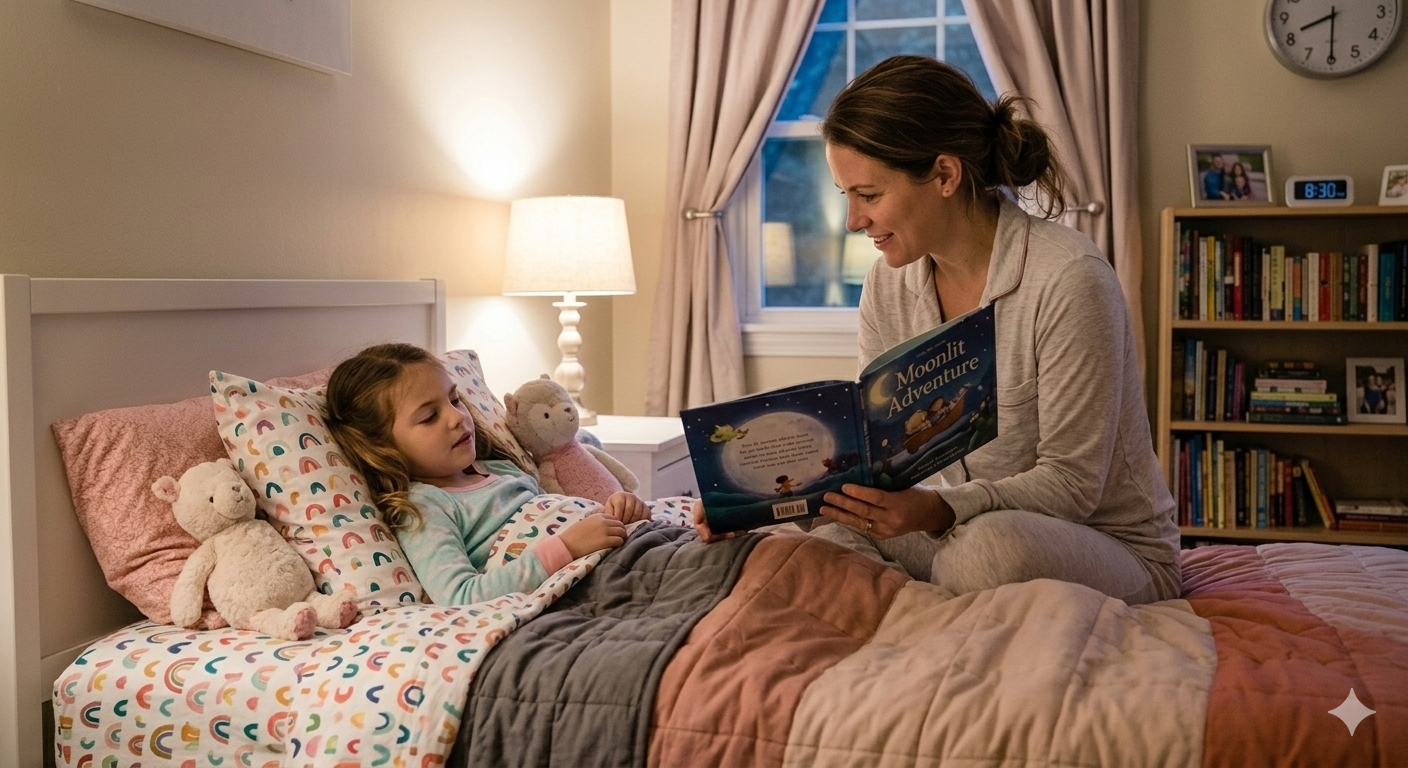
Every night, as the day winds down, a magical ritual unfolds in homes around the world: the reading of kids bedtime stories. More than just a pleasant way to usher in sleep, these nightly narratives are powerful tools for imagination, learning, and bonding, transforming ordinary evenings into extraordinary adventures. This cherished tradition creates a quiet, intimate space where children can explore new worlds, understand complex emotions, and feel secure in the embrace of their caregivers. For those looking to create more memorable moments with their children, including unique ways to celebrate, visit our blog on Kids Birthday Party Ideas for more inspiration. In this article, we’ll delve into the profound impact of bedtime stories, from fostering early literacy to strengthening family connections and even aiding emotional regulation.
Why Kids Bedtime Stories Are Essential: Beyond Just Sleep
The ritual of reading kids bedtime stories offers benefits that extend far beyond simply helping children drift off to sleep. It’s a cornerstone for early childhood development, laying foundations for cognitive, emotional, and social skills that will serve them throughout their lives. This dedicated time creates a predictable routine, which is comforting and secure for children.
Fostering Imagination and Creativity
Bedtime stories are a child’s first window into worlds unknown. Through vivid descriptions and engaging plots, they learn to visualize characters, settings, and events, stretching their imaginative muscles. This mental exercise is crucial for developing creative thinking, problem-solving skills, and the ability to think abstractly. A well-told story can transport them to distant lands or fantastical realms, all from the safety of their bed.
Enhancing Language and Literacy Skills
Regular exposure to books and diverse vocabulary through bedtime stories significantly boosts a child’s language development. They learn new words, understand sentence structure, and grasp narrative flow. This early literacy foundation is critical for school readiness, reading comprehension, and overall academic success. Hearing stories read aloud also demonstrates the joy of reading, instilling a lifelong love for books.
The Developmental Benefits of Kids Bedtime Stories
The consistent practice of reading kids bedtime stories provides a wealth of developmental advantages, addressing various aspects of a child’s growth. It’s a holistic activity that nurtures both the mind and the heart.
Emotional Regulation and Empathy
Stories often present characters facing challenges, experiencing emotions, and navigating social situations. By listening, children learn to identify and understand different feelings, both their own and others’. This helps them develop empathy, as they imagine themselves in the characters’ shoes. Furthermore, the calm, predictable routine of bedtime stories can help children process the day’s events and wind down, aiding in emotional regulation.
Strengthening Parent-Child Bonding
Perhaps one of the most invaluable benefits of bedtime stories is the unique bonding opportunity they create. This dedicated time spent together, away from distractions, fosters intimacy and connection. It’s a moment for cuddles, quiet conversation, and shared laughter, building a strong, secure attachment between parent and child. This ritual becomes a cherished memory for both.
Crafting the Perfect Bedtime Story Routine
Establishing a consistent and enjoyable routine for kids bedtime stories is key to maximizing their benefits. It should be a time that both parent and child look forward to, signaling the transition from active play to restful sleep.
Choosing the Right Books
The best bedtime stories are those that engage the child without overstimulating them. Look for books with clear narratives, appealing illustrations, and a comforting tone. Age-appropriateness is crucial; younger children might prefer picture books with simple plots, while older children can handle more complex stories with moral lessons. Don’t be afraid to revisit old favorites – repetition can be comforting and help reinforce learning.
Creating a Serene Environment
A calm and quiet environment is essential for a successful bedtime story. Dim the lights, ensure the child is comfortable, and minimize distractions like television or electronic devices. This helps create a focused space where the child can fully immerse themselves in the story and begin to relax for sleep. A cozy blanket and a favorite stuffed animal can also enhance the experience.
Tips for Engaging Storytelling at Bedtime
Your delivery of kids bedtime stories can greatly enhance their magic. Becoming an engaging storyteller makes the experience more interactive and memorable for your child.
- Use Different Voices: Experiment with distinct voices for different characters to bring them to life.
- Vary Your Pacing: Slow down for suspenseful moments and speed up for exciting ones.
- Incorporate Expressions: Use facial expressions and hand gestures to convey emotions and actions.
- Encourage Interaction: Ask questions like “What do you think will happen next?” or “How do you think [character] feels?”
- Let Them Choose: Allowing your child to pick the story fosters a sense of ownership and excitement.
- Be Present: Put away your phone and fully immerse yourself in the moment with your child.
Common Bedtime Story Challenges and Solutions
While reading kids bedtime stories is largely a joyful experience, sometimes challenges arise. Knowing how to navigate these can help maintain the magic.
- Child is Too Excited: Choose calmer stories, establish a winding-down routine before the story, or try a guided meditation story.
- Child Doesn’t Want to End the Story: Set clear expectations before starting (“Just one more chapter tonight”) or choose shorter books.
- Child Requests the Same Story Every Night: Embrace it! Repetition aids memory and comprehension. You can gently introduce a new story after reading the favorite.
- Parent is Too Tired: Keep it simple. Even a short story or reading just one page can maintain the routine and connection. Audiobooks can also be a helpful alternative on very tired nights.
Conclusion: A Bedtime Ritual for Life
The tradition of kids bedtime stories is a cherished ritual that offers a wealth of benefits, from stimulating imagination and language development to fostering empathy and strengthening family bonds. It’s a precious time where parents and children connect, explore, and learn together, laying the groundwork for a lifetime of literacy and loving memories. By making bedtime stories a consistent and heartfelt part of your nightly routine, you’re not just reading tales; you’re weaving dreams, nurturing development, and creating an enduring legacy of love and learning that your child will carry with them always.
Frequently Asked Questions
At what age should I start reading bedtime stories to my child?
You can start reading to your child as early as infancy. Even newborns benefit from hearing your voice and being exposed to language and the rhythm of stories. It’s never too early to begin!
How long should a bedtime story session last?
The ideal length depends on your child’s age and attention span. For toddlers, 5-10 minutes might be sufficient. Older children might enjoy 15-20 minutes or even longer. The key is to keep it engaging and ensure it’s not overstimulating before sleep.
What if my child always wants the same story?
It’s very common for children to want the same story repeatedly. This repetition helps with comprehension, memory, and a sense of security. Embrace it! You can try introducing a new book gently after reading the favorite, or have a “new book night” once a week.
Can audiobooks replace parents reading bedtime stories?
Audiobooks are a fantastic supplement, especially for long car rides or when parents are genuinely unable to read. However, they can’t fully replace the unique bonding experience, the visual cues, and the personalized interaction that comes from a parent reading aloud.
How do bedtime stories help with emotional development?
Stories often explore characters’ feelings and challenges, allowing children to safely identify with and understand emotions like joy, sadness, and fear. This exposure helps them develop empathy and provides a framework for processing their own feelings in a comforting context.